Seoraksan in winter without a car: bus from Seoul and trail status
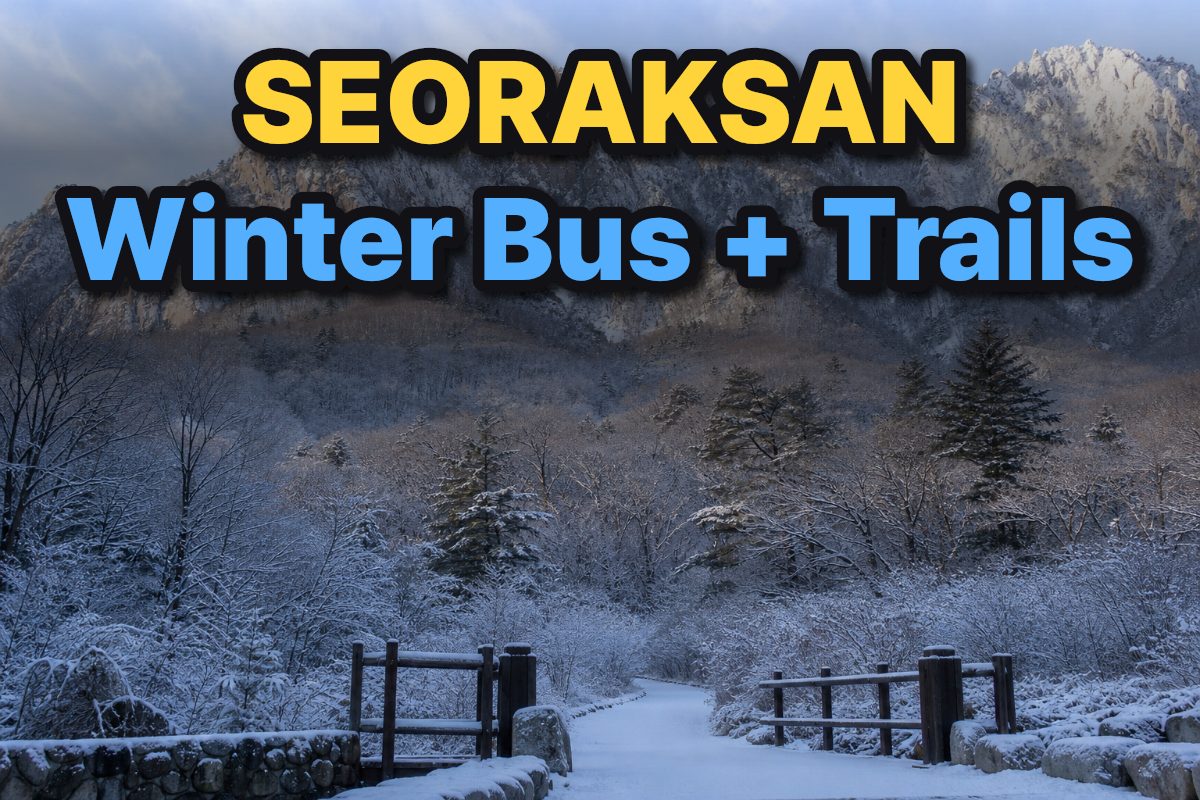
Planning Seoraksan in winter without a car means coordinating two separate bus legs and checking which trails are actually open on your date. From Seoul, travel first to Sokcho, then take local bus 7 or 7-1 to the Seoraksan Sogongwon entrance; the high routes toward Daecheongbong and Yangpok are listed as seasonally closed from November 15 through December 15, 2026.
Table of Contents
The tricky part is that a winter entry time is not a promise that every trail is open, and a long ride from Seoul can leave little daylight for hiking. Build the day around the route status and your return transport, rather than choosing a summit first and sorting out buses afterward.
Seoraksan in winter without a car: the bus route
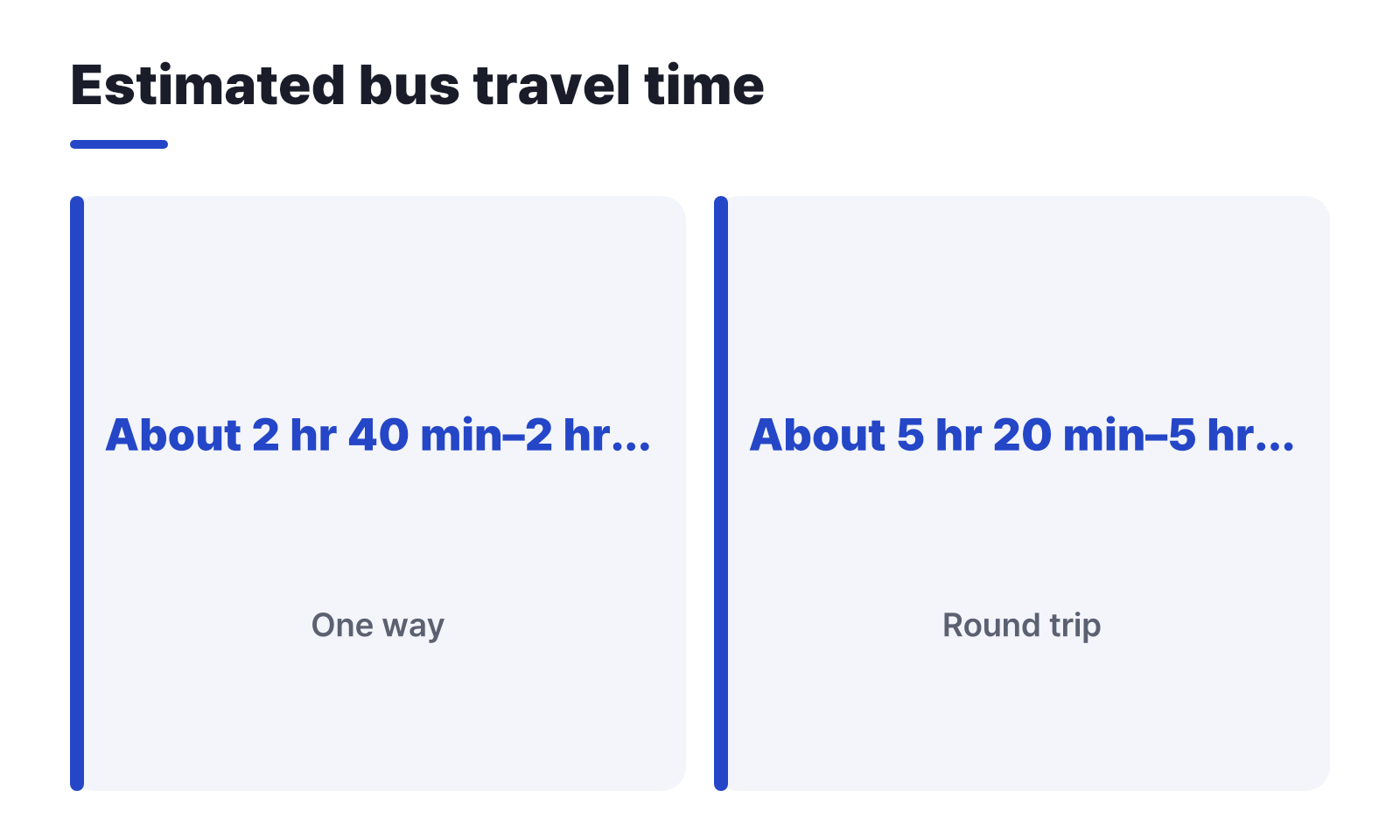
Travel from Seoul to Sokcho by express or intercity bus, then transfer to Sokcho local bus 7 or 7-1 for Seoraksan Sogongwon. The published travel estimates add up to about 2 hours 40 minutes to 2 hours 50 minutes each way, before transfer waits, so a same-day visit has a substantial transport commitment.
Seoul-to-Sokcho buses depart from Seoul Express Bus Terminal and Dong Seoul Terminal. There is no direct train or KTX to Sokcho. From Sokcho, local bus 7 or 7-1 goes to the Sogongwon-side park entrance, which serves the Ulsanbawi and Daecheongbong trail areas.
Use this sequence when planning the journey:
- Choose a Seoul terminal and a bus departure that leaves enough time for the mountain visit. The available travel estimate for the Seoul–Sokcho bus is 2 hours 10 minutes to 2 hours 20 minutes.
- At Sokcho, transfer to local bus 7 or 7-1 toward Seoraksan Sogongwon. The Sokcho-to-park ride is estimated at about 30 minutes.
- Before you leave Sokcho, confirm the trail status for your chosen route and the return bus plan. The local bus ride to the park does not mean that every trail is accessible.
For a simple time comparison, the calculation below uses the stated bus travel estimates only. It excludes waiting, transfers, delays, time at the park, and the walk from the park entrance to a trail.
| Travel plan | Calculation | Estimated bus time |
|---|---|---|
| Seoul to Seoraksan Sogongwon, one way | 2 hr 10 min–2 hr 20 min + about 30 min | About 2 hr 40 min–2 hr 50 min |
| Seoraksan Sogongwon to Seoul, return trip | About 2 hr 40 min–2 hr 50 min × 2 | About 5 hr 20 min–5 hr 40 min |
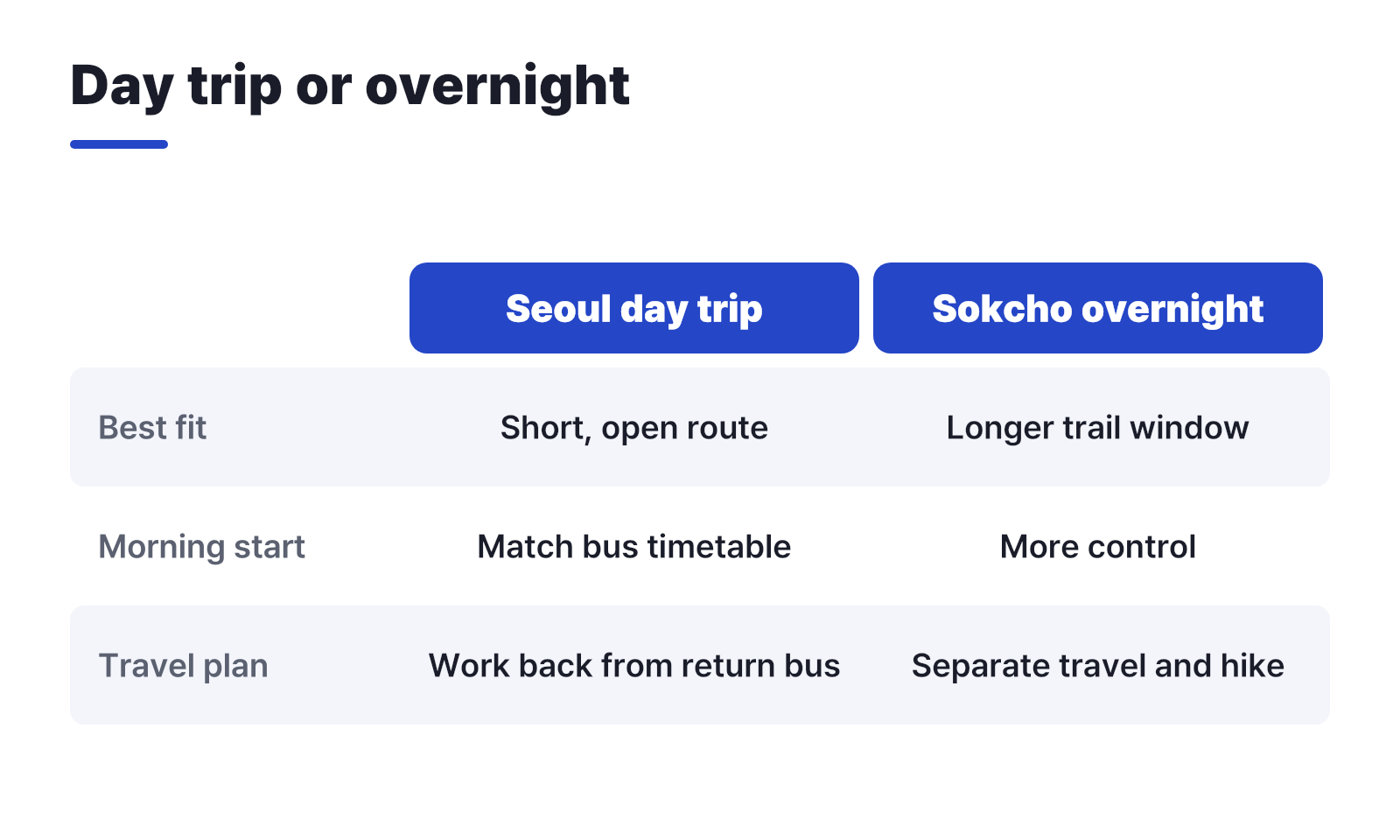
A day trip is most workable when you have a short, open route in mind and can match it to the actual bus timetable. If your plan depends on an early trail start, a long hike, or a fixed evening departure from Sokcho, staying in Sokcho before the hike gives you more control over the morning.
See the Seoul intercity bus ticket kiosk guide for help with the Seoul-side ticket purchase.
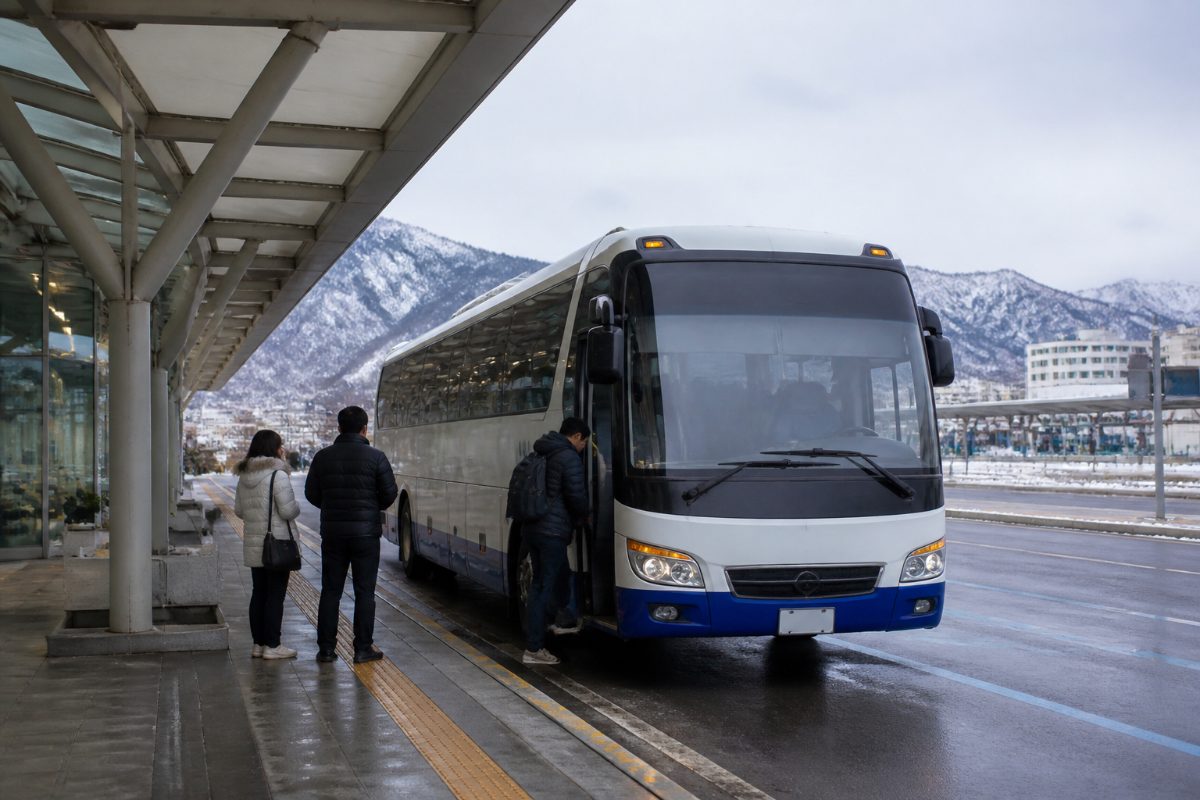
Two bus legs connect Seoul with the Sogongwon-side entrance, but transfer waits and trail access need separate planning.
Which winter trails are open in November and December?
Trail access is route- and date-specific, so check the current restriction notice for the exact trail before setting out. For November 15–December 15, 2026, seasonal closures include high routes toward Daecheongbong and Yangpok; scheduled winter entry hours do not override those closures.
The closure window matters if your plan involves a summit or a longer walk beyond Biseondae. One route description places Yangpok Shelter 3.5 km beyond Biseondae and gives a 2–3 hour return walk from Biseondae to the shelter area; that section is affected by winter closures. Do not use that estimate to plan a hike during a closure period.
For shorter, commonly planned day visits, Ulsanbawi, Biseondae, Biryong Falls, and the cable car walk are listed as routes that do not require reservations. That is a reservation detail, not a guarantee that a route will be open on your date. Snow, wind, rain, fire-prevention restrictions, and trail conditions can lead to access limits, including closures announced on the morning of a visit.
For November 23, 2026, the listed seasonal closure period is in effect for the high routes toward Daecheongbong and Yangpok. Choose another route only after checking its current status; don’t assume that a lower trail is open simply because the high routes are closed.
Winter hiking conditions can include snow, ice, strong wind, and severe cold at higher elevations. That changes the practical meaning of a route estimate: a walk that fits a warm-weather schedule may take longer or become inaccessible when the surface is icy or a restriction is posted.
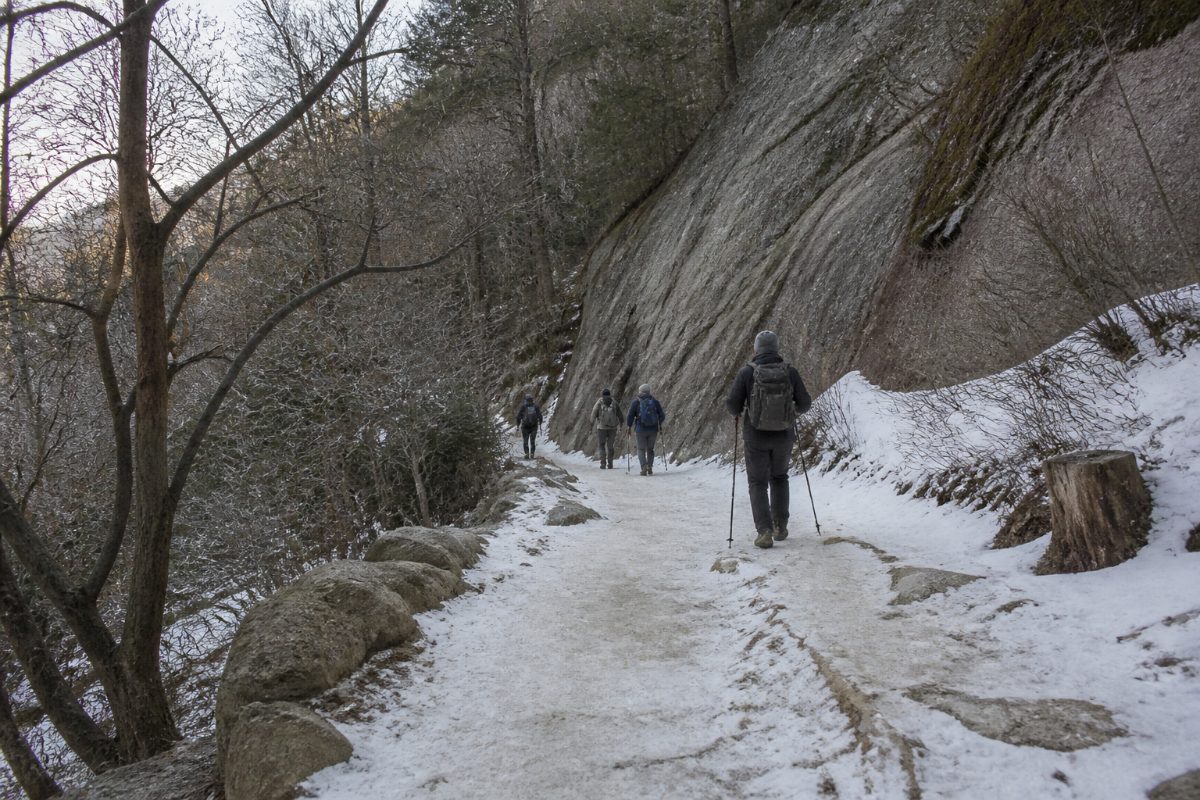
A winter trail-status decision should be based on the route and date, not on a general park opening time.
How to check the trail status before you travel
Use the Korea National Parks Service (KNPS) restriction notice to check the named route and affected section, then review the latest notice again on the morning of your visit. A general winter opening rule cannot confirm access to a particular trail because closures can apply to individual sections or dates.
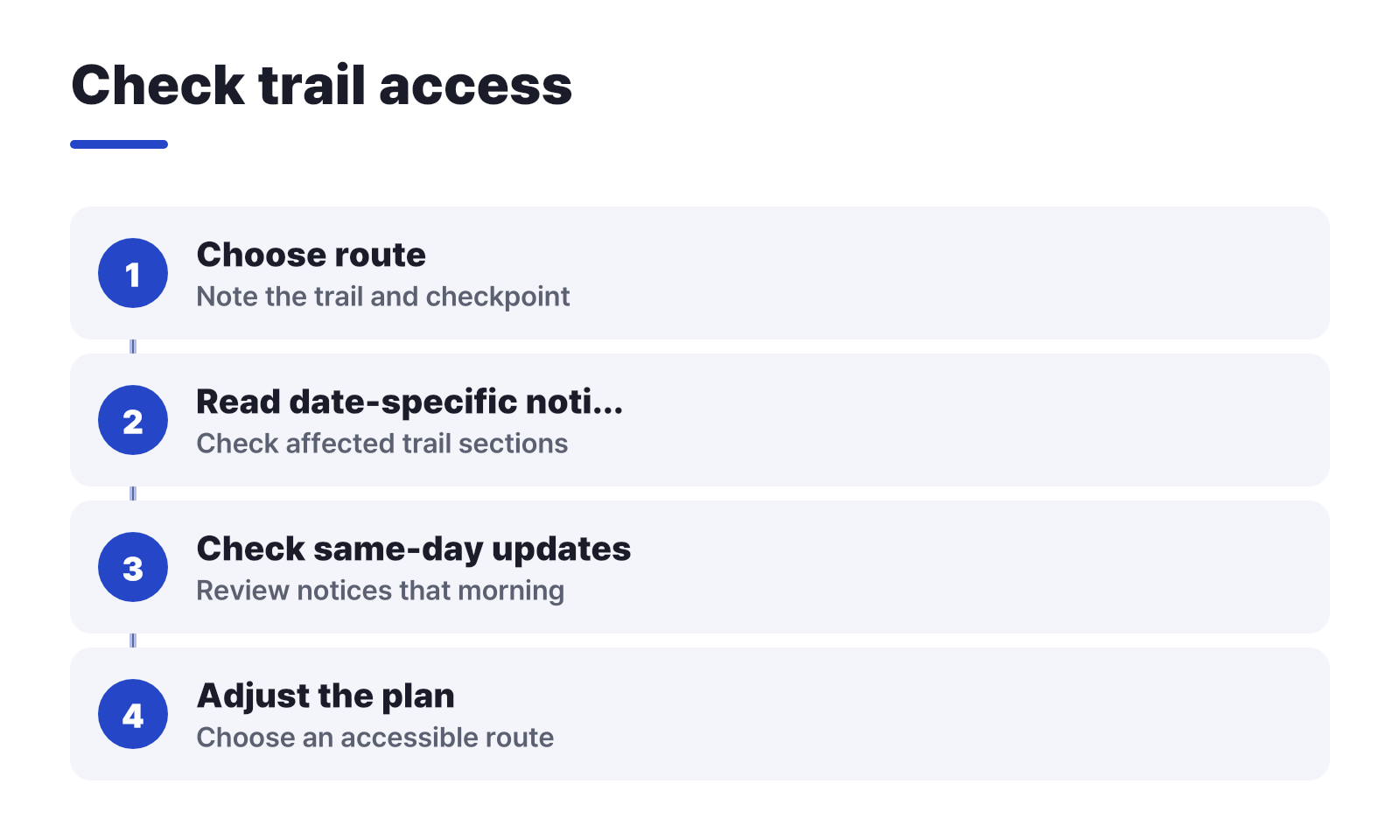
- Pick the route and checkpoint. Write down the trail name and the entrance or checkpoint you will use. This helps you match a restriction to the correct section rather than treating the entire park as one access area.
- Read the notice for your date. Look for the date and the affected trail sections. For the November 15–December 15, 2026 seasonal window, specifically account for closures toward Daecheongbong and Yangpok.
- Check for a same-day update. Revisit the restriction information on the morning of your hike. Snow, weather alerts, fire prevention, and thaw-season controls can change access beyond the seasonal schedule.
- Change the route or the trip plan if needed. If your chosen section is closed, do not build the day around reaching it. Select a route shown as accessible, or keep the visit to the park entrance area and return by bus.
For a question about an unclear restriction, the Seoraksan park office number listed for route inquiries is 033-801-0900. Keep the route name and planned date at hand so you can ask about the relevant section.
Winter entry rules also depend on the checkpoint. Many designated checkpoints have a 4:00 AM opening from November through March, while some routes around Sogongwon, including Ulsanbawi and Biseondae, use a sunset-based restriction: hiking is restricted from sunset until two hours before the next sunrise. These are different rules, and neither replaces the daily trail-status check.
Can you fit Seoraksan into a day trip from Seoul?
A Seoul day trip can work for a short visit, but the estimated round-trip bus time alone is about 5 hours 20 minutes to 5 hours 40 minutes. Add transfer waits, time inside the park, and the need to leave the trail before dark, and the usable hiking window is much shorter than a full day.
Use the return journey as a planning boundary. First identify the bus you intend to take back from Sokcho; then work backward to set a trail turnaround time that leaves room to return to Sogongwon and reach the terminal. The stated 30-minute local-bus estimate is travel time, not a timetable, so it does not tell you when the next bus departs.
For an ambitious route, an early start, or a day when trail restrictions are changing, choose an overnight stay in Sokcho rather than relying on a tight Seoul round trip. The extra night separates the long intercity journey from the hike and avoids making a summit attempt depend on fitting the entire outing between bus departures.
Choose a Seoul day trip for a short route with confirmed access and a return plan; choose Sokcho overnight when you need an early start or a longer trail window. If the trail notice closes the route you came for, treat that as a reason to change the plan, not to press ahead on a different trail without checking its status.
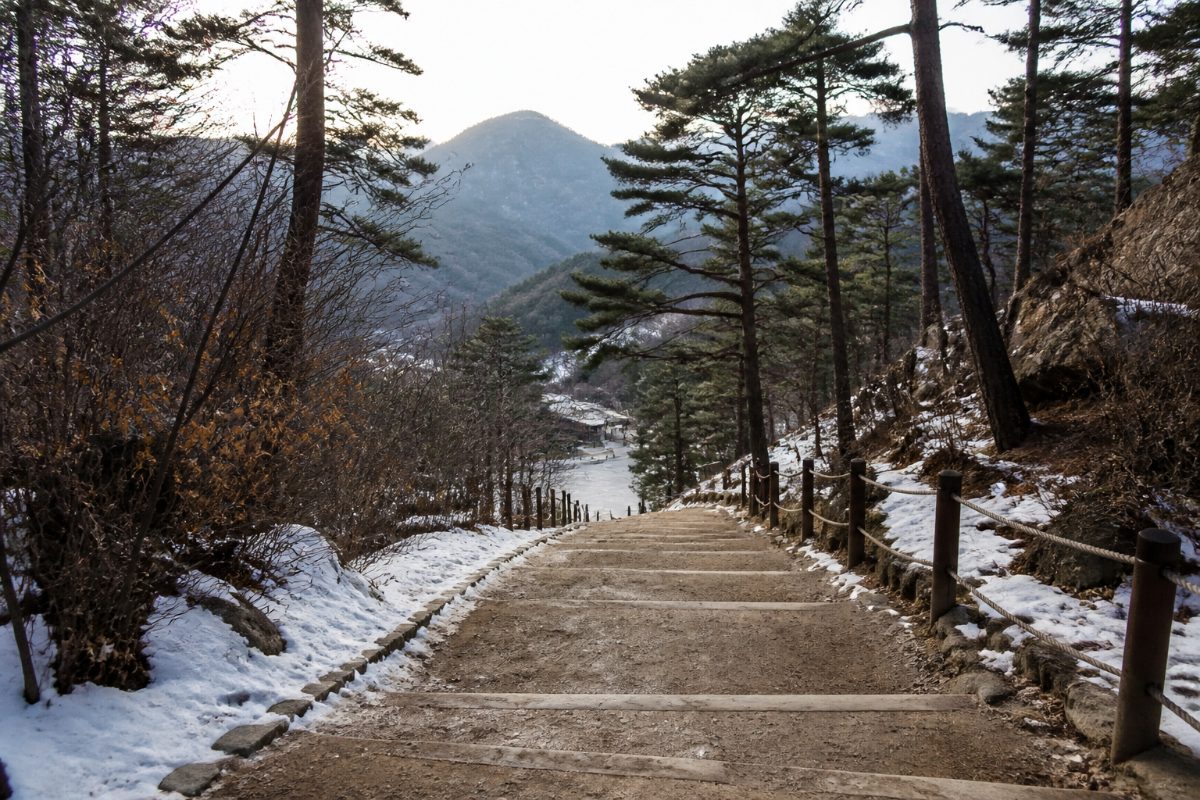
Allow time to leave the trail, reach the Sogongwon bus stop, and connect back through Sokcho.
Wrap-up
Before booking around a winter hike, choose the route, check its date-specific status, and compare the trail window with the Sokcho bus connection. On November 23, 2026, plan around the listed closures toward Daecheongbong and Yangpok, then use the morning restriction notice to decide whether another route is accessible.
Start by checking the current KNPS restriction notice for your intended date and trail. After that, select your Seoul–Sokcho bus and confirm the Sokcho local-bus connection that fits your return plan.
References
- Seorak National Park Winter Hours & Closures | HeySeorak
- Seoraksan National Park: Trail Map, Hikes & Bus from Sokcho | HeySeorak
- An Ultimate Guide to Visiting Seoraksan National Park - Ben In Wanderland
- Seoraksan National Park | (Official GANP Page)
Information in this post was checked as of November 2026. Policies and prices may change, so please verify important details with official sources.


Comments
Post a Comment